
Some stories never make the headlines but leave a mark that lasts for decades. Corrina Jagger was one of those stories. She was the stillborn daughter of rock legend Mick Jagger and folk icon Marianne Faithfull, lost in 1968 before she ever had a chance to live.
Behind the glitter of Swinging London and the roar of Rolling Stones concerts lived two very human people carrying a very real grief. Corrina Jagger’s tragic story reminds us that fame doesn’t protect anyone from heartbreak. It’s a quiet but powerful chapter in rock and roll history that deserves to be told with honesty and respect.
Corrina Jagger Quick Bio
| Detail | Information |
| Full Name | Corrina Faithfull Jagger |
| Also Spelled | Corinna Jagger |
| Known For | Daughter of Mick Jagger and Marianne Faithfull |
| Date of Birth | November 1968 |
| Place of Birth | London, England |
| Date of Death | November 1968 |
| Age at Death | Did not survive birth |
| Type of Loss | Stillbirth at approximately 7 months gestation |
| Father | Mick Jagger |
| Mother | Marianne Faithfull |
| Paternal Grandfather | Basil Fanshawe Jagger |
| Paternal Grandmother | Eva Mary Jagger |
| Maternal Grandfather | Major Glynn Faithfull |
| Maternal Grandmother | Baroness Eva von Sacher-Masoch |
| Nationality | British |
| Ethnicity | English |
| Religion | Not applicable |
| Zodiac Sign | Scorpio (November) |
| Siblings | Karis Hunt Jagger, Jade Jagger, Elizabeth Jagger, James Jagger, Georgia May Jagger, Lucas Jagger, Deveraux Jagger (half siblings) |
| Half Brother (maternal) | Nicholas Dunbar (Marianne’s son from first marriage) |
| Father’s Profession | Rock musician, Rolling Stones frontman |
| Mother’s Profession | Singer, actress |
| Cause of Death | Stillbirth |
| Publicly Documented | Mentioned in select biographies |
| Name Origin | Derived from Greek word Kore meaning maiden |
| Musical Connection | Name linked to folk song Corrina Corrina |
| Net Worth | Not applicable |
| Legacy | Emotional impact on both parents and rock history |
Who Was Corrina Jagger?
Corrina Jagger was the stillborn daughter of Mick Jagger and Marianne Faithfull, lost in November 1968. She never took a breath outside the womb. Her pregnancy reached approximately seven months before tragedy struck.
The name appears in various sources as both Corrina and Corinna, a spelling variation that still confuses today. Most people discover her story while researching Mick Jagger’s family history or reading a Marianne Faithfull biography. She isn’t a household name and that’s exactly what makes her story so important.
Behind two of the biggest icons of the 1960s counterculture was a private loss that neither parent spoke about openly for years. Corrina Faithfull Jagger may have lived only briefly inside the womb, but her absence shaped both her parents’ lives in ways that ran very deep.
Why Corrina Jagger’s Story Still Trends in 2026
People are still searching for Corrina Jagger in 2026 because her story hits something deeply human. It’s not about celebrity gossip or rock star drama. It’s about parental grief, loss, and the reality that even the most famous people in the world aren’t immune to heartbreak.
That universal truth keeps pulling readers in year after year. There’s also a genuine gap in the public record.
Very little has been officially documented about this chapter of Mick Jagger’s personal life or Marianne Faithfull’s emotional journey through that period.
People naturally feel drawn to untold rock history especially when it involves two icons they already admire. Corrina’s story isn’t trending because it’s sensational. It trends because it’s real, quiet, and painfully human.
Meet the Parents: Two Icons of Swinging London
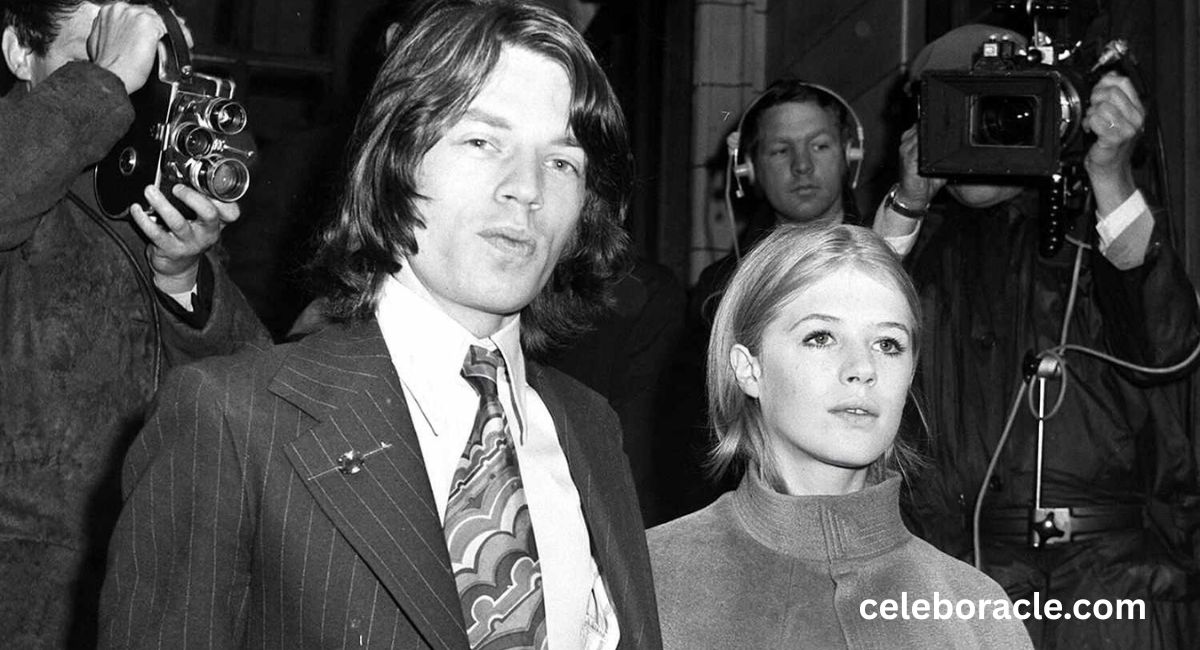
To understand Corrina Jagger story, you first need to understand who her parents were. Mick Jagger and Marianne Faithfull weren’t just famous; they were symbols of an entire era. They represented the creative explosion of Swinging London, a moment in the 1960s when music, fashion, and youth culture collided in one city at one time.
However, beneath that glamorous surface, their lives were complicated. Both were dealing with fame, pressure, and personal instability long before Corrina’s loss.
They were young, intensely public, and navigating a relationship that the whole world seemed to have an opinion about. Their story as parents begins here in the chaos and brilliance of 1960s London.
Mick Jagger: The Rolling Stone Who Ruled a Generation
By 1968, Mick Jagger was already one of the most recognizable faces on the planet. As the frontman of The Rolling Stones, he had helped reshape rock music from the ground up.
Albums like Beggars Banquet showed a band pushing boundaries with raw energy and sharp songwriting. His stage presence was magnetic, and his public persona was built on confidence and rebellion.
Marianne Faithfull: The Folk Goddess with a Fragile Heart
Marianne Faithfull burst onto the British music scene in 1964 with “As Tears Go By,” a haunting song written by Mick Jagger and Keith Richards specifically for her voice. She was young.
Strikingly beautiful and genuinely talented beyond what the pop world gave her credit for. But behind that elegant public image, she was quietly struggling. Substance use, self-doubt, and the suffocating pressure of fame were already taking a toll long before tragedy arrived.
Their Relationship: Love, Fame, and Chaos Combined
Mick and Marianne began their relationship in 1966 and quickly became one of Swinging London’s most talked-about couples. The media followed them everywhere, at art openings, film premieres, and private parties.
It looked like a fairytale from the outside. But the Mick Jagger-Marianne Faithfull relationship was built on an unstable foundation of drug use, competing careers, and relentless public scrutiny that left very little room for genuine private life.
The Pregnancy That Quietly Shocked the Celebrity World
In 1968, Marianne Faithfull became pregnant with Mick Jagger’s child. Unlike today, where celebrity pregnancies get splashed across every magazine cover, this one stayed relatively quiet. The couple wasn’t married, and the media culture of that era handled such situations very differently.
Still, within their inner circle and among the press that closely followed them, the news carried significant weight. It wasn’t a simple or peaceful pregnancy either. Marianne was navigating personal struggles with substance use while Mick was constantly pulled in every direction by Rolling Stones commitments.
Their lifestyle was fast, chaotic, and anything but stable. Despite all of that, the pregnancy represented something tender and hopeful. Two people, however complicated their situation, were expecting a child together, and that mattered deeply to both of them.
The Tragic Event: Loss at Seven Months
At approximately seven months into the pregnancy, Marianne Faithfull suffered a stillbirth. The baby girl they had already named Corrina Jagger never took a single breath. It happened while Marianne had been traveling back from Mick’s country house in Ireland.
The loss was sudden, devastating, and left both parents completely shattered in ways the public never fully witnessed. Losing a child at seven months is a grief that words can barely hold. There was no public announcement, no media statement, no farewell covered by the press.
The Jagger Faithfull baby loss was carried privately by two people already living very exposed lives. That contrast, so much public attention and yet such private pain, makes this moment one of the most quietly heartbreaking chapters in rock and roll history.
Corrina Jagger’s Death: What Really Happened?
Corrina Jagger’s death is one of the most private and least documented moments in celebrity history. She was stillborn in November 1968 at approximately seven months gestation.
The exact medical cause has never been officially confirmed by either parent. Some biographical sources point to complications related to premature birth, while others simply describe it as a stillbirth with no further detail.
What’s clear is that she never survived outside the womb. What makes this story harder to piece together is the lack of verified public records. No official birth or death certificate has ever been made available publicly. Both Mick Jagger and Marianne Faithfull chose to keep the specific circumstances deeply private, and that decision deserves respect.
This wasn’t a cover-up. It was two grieving parents protecting the most painful moment of their lives from a world that was always watching. The Corrina Jagger tragic story exists mostly through scattered references in biographies and rare interview mentions over the decades.
The Silence That Followed: Why No One Talked About It
The silence around Corrina Jagger’s loss wasn’t unusual for that era. In the 1960s stillbirth carried enormous social stigma. Families were rarely encouraged to speak openly about it. Grief was considered a private matter, and society expected people, even famous ones, to move on quickly and quietly.
There was no grief counseling, no public support systems, and certainly no social media where people could share their pain and find community. For Mick and Marianne, specifically, the silence had another layer to it. They were among the most photographed and scrutinized couples in the world.
Speaking publicly about such a raw and personal loss would have meant opening their grief up to tabloid headlines and public speculation. So they stayed quiet, and the story faded into the background of the rock legend’s private life. That silence is exactly why so many people today don’t even know Corrina Jagger existed.
The Aftermath: A Relationship Beginning to Unravel
The loss of Corrina Jagger didn’t just break two hearts. It cracked the entire foundation of Mick and Marianne’s relationship. Grief does that sometimes. It doesn’t bring people together the way movies suggest. Instead, it often pulls them in opposite directions, especially when both people are already struggling individually.
By 1970, their relationship had effectively collapsed, and Corrina Jagger tragic story sits right at the center of that collapse. What followed was a painful unraveling that played out partly in private and partly in public view. Mick moved forward relatively quickly, meeting Bianca Pérez-Mora Macías and marrying her in May 1971.
Marianne, on the other hand, spiraled into one of the darkest periods of her life. Two people, one shared loss, two completely different responses. That difference alone tells you everything about how deeply grief after stillbirth can divide even the closest relationships.
Marianne Faithfull’s Devastating Emotional Spiral
Marianne Faithfull’s descent after losing Corrina was swift and brutal. Her heroin addiction intensified dramatically, and her career fell apart almost overnight. By the early 1970s she had lost her home, her stability, and her sense of self.
She eventually ended up homeless on the streets of London’s Soho district, a shocking fall for someone who had been a celebrated artist just years earlier. She later spoke candidly about feeling overwhelming guilt, questioning whether her lifestyle had contributed to the tragedy.
Mick Jagger’s Private and Hidden Sorrow
Mick Jagger processed his grief the way he handled most personal pain, quietly and away from the public eye. He kept performing, kept recording, and kept the Rolling Stones machine moving without ever letting the world see how deeply the loss affected him.
Those close to him noticed subtle changes, but Mick rarely spoke about Corrina in interviews. His silence wasn’t indifference. It was a man carrying Mick Jagger private sorrow in the only way he knew how.
How the Loss Permanently Changed Their Bond
Despite the relationship ending, the loss of Corrina created a bond between Mick and Marianne that time couldn’t completely erase. Shared grief at that level leaves a permanent mark. It’s something only the two of them could truly understand about each other.
Decades later, when Marianne was battling breast cancer, Mick reached out to reconnect, a moment that confirmed their connection ran far deeper than a 1960s romance. Corrina Jagger’s emotional legacy quietly held them together even after everything else fell apart.
Corrina’s Faint Echo in the Music
Music has always been where artists hide their deepest pain. After losing Corrina Jagger, both Mick and Marianne carried that grief into their creative work, not always directly but in ways that careful listeners and music historians have noticed over the years. The Rolling Stones songwriting during the early 1970s took on a heavier, more melancholic tone.
That shift wasn’t accidental. Real loss has a way of bleeding into art, whether the artist intends it or not. Marianne Faithfull’s musical transformation was even more visible. Her early recordings were soft and delicate, but her later work, particularly the 1979 album Broken English, was raw, damaged, and searingly honest.
That transformation didn’t happen overnight. It was the result of years of grief and rock music colliding inside one person. The woman who sang As Tears Go By with a gentle voice eventually sang with the voice of someone who had truly suffered, and that difference is impossible to fake.
Songs Believed to Be Touched by This Tragedy
Several tracks from the Sticky Fingers album 1971 carry emotional weight that music scholars connect to this period of loss. Wild Horses stands out most clearly with its themes of longing, separation, and enduring love despite distance. The song feels too heavy for ordinary heartbreak.
I Got the Blues from the same album reflects a genuine melancholy that goes beyond clever songwriting. Then there’s Sister Morphine, co-written by Marianne Faithfull herself, a haunting track about pain and desperation that took on dark new meaning as her own struggles deepened.
| Song | Album | Year | Possible Connection |
| Wild Horses | Sticky Fingers | 1971 | Longing and loss after separation |
| I Got the Blues | Sticky Fingers | 1971 | Raw emotional heartbreak |
| Sister Morphine | Sticky Fingers | 1971 | Co-written by Faithfull, themes of pain |
| Moonlight Mile | Sticky Fingers | 1971 | Exhaustion and quiet sorrow |
How Artists Process Grief Through Their Art
Artists rarely sit down and say, “I’m going to write a song about my grief.” It doesn’t work that way. The pain seeps in quietly through a chord choice, a lyric that feels too specific, a melody that refuses to resolve.
Music influenced by grief often becomes the most enduring work an artist produces precisely because it’s rooted in something real. Listeners feel that authenticity even without knowing its source.
Cultural Context: What It Meant to Lose a Child in the 1960s
Losing a child is devastating in any era, but in the 1960s, the experience came with an added layer of isolation. Society simply didn’t talk about stillbirth openly. There were no support groups, no public awareness campaigns, and very little medical or emotional guidance offered to grieving parents.
Families were expected to absorb the loss quietly and carry on as if nothing had happened. That cultural expectation made an already unbearable experience even harder to survive.
For people living inside the 1960s counterculture, there was an additional contradiction. This was a generation that claimed to reject conformity and embrace emotional freedom.
Yet when it came to grief, especially the grief of losing a baby, the same old rules applied. Stay silent. Don’t make it uncomfortable for others. Move on. The gap between the era’s progressive ideals and its actual emotional limitations was wide, and Mick and Marianne fell right into that gap.
Medical Realities of Stillbirth in That Era
In the late 1960s, medical understanding of stillbirth was far more limited than it is today. Many causes that are now preventable or detectable early went completely undiagnosed. Prenatal care was less advanced, and access to consistent monitoring depended heavily on lifestyle and circumstance.
For someone like Marianne Faithfull, who was dealing with substance use and an irregular lifestyle, the risks were significantly higher. Doctors of that era also had little training in how to support parents emotionally after such a loss.
How Celebrities Were Expected to Stay Silent
Fame in the 1960s came with an unwritten rule. Keep your private pain private. The press was intrusive, but celebrities were also expected to maintain a polished public image no matter what they were going through behind closed doors. There was no culture of public vulnerability the way there is today.
No interviews about mental health, no open letters about personal tragedy. Mick Jagger and Marianne Faithfull were expected to smile for cameras and perform for crowds even while carrying one of the heaviest losses a person can bear. That expectation was as cruel as it was common.
The Name “Corrina”: Its Meaning and Symbolism
The name Corrina isn’t random. It carries musical and historical roots that make it feel almost destined for a child born to two artists. The name derives from the Greek word Kore meaning maiden or young woman.
It has appeared throughout folk and blues music for decades most notably in the traditional song “Corrina, Corrina,” which artists like Bob Dylan and Taj Mahal have covered across generations.
For two musicians as deeply embedded in that tradition as Mick and Marianne, the name was a natural and meaningful choice. There’s also something quietly poetic about it. Corrina is a soft name. It doesn’t demand attention or announce itself loudly.
It lingers. Much like the story of Corrina Faithfull Jagger herself, it stays with you in a subtle way long after you first encounter it.
Whether the name was chosen deliberately for its musical connection or simply because it felt right, it fits. It carries love, longing, and a kind of gentle permanence that makes it impossible to forget once you know the story behind it.
Mick Jagger’s Children: The Full Family Tree
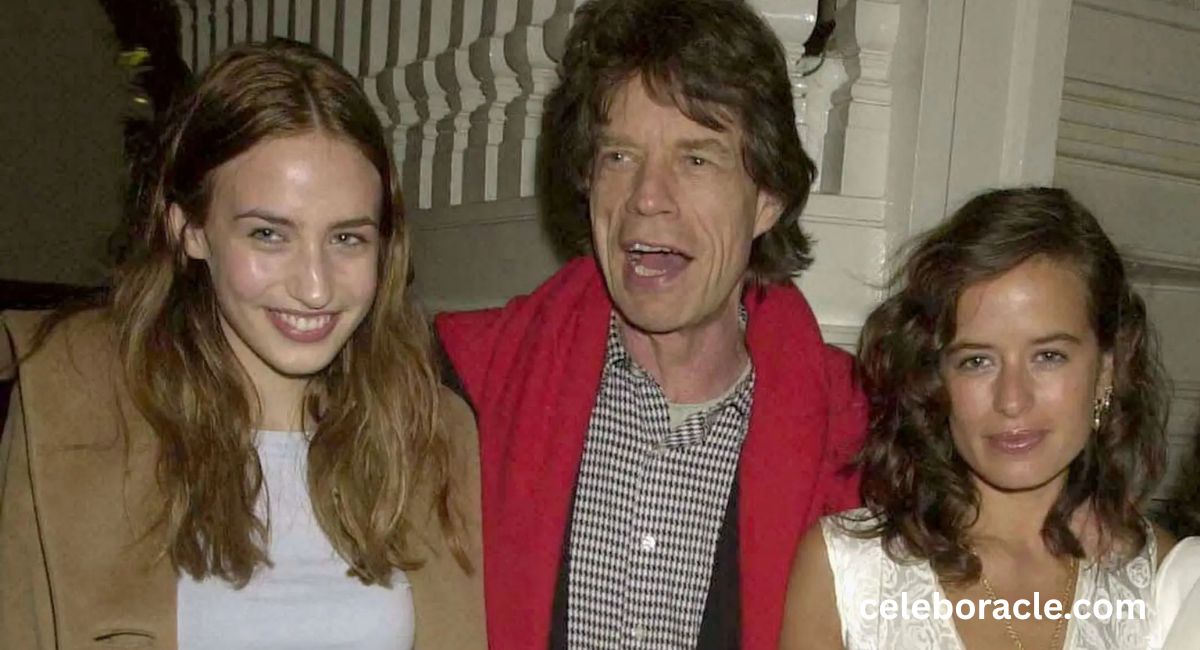
Mick Jagger has fathered eight children across five different relationships spanning more than four decades. It’s a family tree that stretches across continents, generations, and vastly different life experiences. Some of his children have become household names in their own right, while others have chosen quieter paths away from the spotlight.
Understanding the Mick Jagger family tree means recognizing not just the living children but also the one who never got the chance to live. What’s remarkable about this family is how Mick has maintained relationships with all his children despite the complexity of their various backgrounds. His approach to fatherhood evolved significantly over the decades.
Many who know him suggest that losing Corrina made him more present and intentional with the children who came after. The Jagger family history is long, sprawling, and sometimes complicated, but it always begins with the daughter the world barely knew.
All Eight Children and Their Mothers
| Child | Mother | Birth Year | Known For |
| Corrina Jagger | Marianne Faithfull | 1968 | Stillborn, first daughter |
| Karis Hunt Jagger | Marsha Hunt | 1970 | Producer, educator |
| Jade Jagger | Bianca Jagger | 1971 | Jewelry designer, model |
| Elizabeth Jagger | Jerry Hall | 1984 | Model, actress |
| James Jagger | Jerry Hall | 1985 | Actor, musician |
| Georgia May Jagger | Jerry Hall | 1992 | Supermodel |
| Lucas Jagger | Luciana Gimenez | 1999 | Model |
| Deveraux Jagger | Melanie Hamrick | 2016 | Youngest child |
Where Corrina Fits in Mick’s Legacy
Corrina Jagger sits at the very beginning of Mick’s journey as a father. She was his first daughter, born before Karis, before Jade, before any of the children the world would come to know. Her absence shaped the man he became as a parent.
Grief has a way of teaching lessons that nothing else can, and losing Corrina was undoubtedly one of the most formative experiences of Mick’s personal life. She may not appear in every biography, but she belongs in every honest account of the Mick Jagger family history.
Disagreements in Reported Facts: What Sources Conflict On
One of the most confusing aspects of researching Corrina Jagger is that different sources tell slightly different versions of the same story. Some biographies describe her as a stillbirth that occurred in November 1968 at around seven months gestation. Others place the loss at a different point in the pregnancy or describe the circumstances differently.
Even the spelling of her name shifts between sources, with Corrina and Corinna both appearing regularly across books, articles, and online records.
The date itself is another point of conflict. Some sources firmly state 1968 while at least one account suggests the loss occurred closer to 1970 or 1971 and describes Corrina as having lived for several months after birth.
These contradictions aren’t necessarily the result of dishonesty. They reflect the reality that very little was officially documented at the time, and much of what exists comes from secondhand biographical accounts written years or even decades later.
When primary sources stay silent, as both Mick and Marianne largely did, disagreements in reported facts become almost inevitable.
| Disputed Detail | Version A | Version B |
| Year of Loss | 1968 | 1970 or 1971 |
| Type of Loss | Stillbirth | Infant death after birth |
| Name Spelling | Corrina | Corinna |
| Gestation | Seven months | Not specified |
| Cause | Stillbirth complications | Premature birth/respiratory issues |
How Corrina Jagger Appears in Biographies and Press
References to Corrina Jagger in published biographies are few but consistent in tone. Both Mick Jagger and Marianne Faithfull’s biography accounts treat her story with sensitivity rather than sensationalism.
Marianne’s own autobiographical reflections acknowledge the loss as one of the most painful chapters of her life. She doesn’t linger on clinical details.
Instead, she speaks to the emotional weight of it, the guilt, the grief, and the way it changed everything that came after. The press coverage at the time was remarkably minimal. In an era when tabloids followed Mick and Marianne to every dinner and every party the loss of their child was handled with unusual restraint.
Modern journalists revisiting the story tend to approach it carefully, framing Corrina’s story within the broader context of celebrity personal tragedy and 1960s celebrity privacy rather than treating it as gossip.
That shift in how the press handles this story today compared to how it might have been covered in a less sensitive era says a lot about how our relationship with celebrity grief has matured over time.
The Impact of This Loss on Marianne Faithfull’s Life and Career
Marianne Faithfull’s life after losing Corrina Jagger took a direction that shocked everyone who had known her as the delicate folk goddess of the early 1960s.
The grief, combined with an already fragile emotional state and a deepening addiction, pushed her toward a complete breakdown. She lost her career momentum, her home, and very nearly her life.
By the early 1970s, she was living on the streets of London’s Soho district, a reality that felt almost impossible given where she had started just years earlier.
Yet the story doesn’t end in darkness. Marianne’s eventual recovery and artistic comeback are among the most remarkable in music history. Her 1979 album Broken English arrived like a thunderclap.
The soft voice the world remembered was gone, replaced by something rawer, deeper, and far more powerful. That transformation didn’t come from nowhere. It came from years of lived trauma, loss, addiction, and survival.
The grief of losing Corrina ran through all of it like a thread that never fully broke. In many ways, Marianne Faithfull’s greatest artistic work was born directly from her greatest personal pain.
Why Writing About Celebrity Tragedy Matters: And Where It Crosses the Line
Writing about celebrity personal tragedy is never straightforward. There’s a real tension between the public’s genuine curiosity and the private family’s right to grieve without intrusion. That tension doesn’t disappear just because someone is famous. Mick Jagger and Marianne Faithfull are public figures, but Corrina Jagger was a baby who never chose public life.
Handling her story responsibly means keeping that distinction clearly in mind at all times. At the same time, there is genuine value in telling these stories when done with care. Humanizing public figures helps people connect with them as real human beings rather than untouchable icons.
Stories like Corrina’s also shine a light on experiences like stillbirth that millions of families face but rarely see reflected in public conversation. The key is intention. Are you telling this story to inform and connect or simply to attract clicks? That question should guide every word written about a loss this personal.
Pros of Telling This Story Publicly
Sharing Corrina Jagger’s story openly carries real benefits when handled with honesty and empathy.
- It humanizes Mick Jagger and Marianne Faithfull beyond their public personas
- It raises awareness about stillbirth and the grief that surrounds it
- It preserves an honest and complete account of rock and roll history
- It gives Corrina a place in the record rather than erasing her from the story entirely
- It helps readers who have experienced similar losses feel seen and less alone
Cons and Ethical Concerns
However, there are genuine risks in publicizing a loss this private and personal.
- Limited verified facts mean misinformation can spread easily
- Sensationalizing the story disrespects both the parents and Corrina’s memory
- Repeated coverage can feel exploitative, especially to living family members
- Spelling and date inconsistencies across sources can mislead readers
- There’s a fine line between preserving history and invading grief
How to Report With Respect and Sensitivity
Responsible reporting on Corrina Jagger’s story comes down to a few simple principles. Always acknowledge what isn’t confirmed rather than filling gaps with speculation. Lead with empathy, not curiosity. Credit primary sources wherever they exist and be transparent when they don’t.
Most importantly, remember that behind every tragic celebrity story are real people who still carry that loss every single day. Writing about Corrina deserves the same care you’d want someone to bring to your own family’s most painful moment.
A Friendship Rekindled: Mick and Marianne Later in Life
After nearly 35 years of distance, Mick Jagger reached out to Marianne Faithfull in 2007 when he learned she was battling breast cancer. That single phone call said more than any interview either of them had ever given. It confirmed something that people who followed their story had always suspected.
The Mick Jagger Marianne Faithfull relationship never truly ended. It simply transformed into something quieter and more private than the world ever got to see. Marianne later reflected on that reconnection with deep emotion.
She told interviewers that Mick loves her and she loves him and that the fact their romance ended in 1970 doesn’t change that fundamental truth.
Shared grief has a way of creating bonds that ordinary relationships simply can’t match. The loss of Corrina Jagger gave these two people something no one else could fully understand about them.
Their rekindled friendship proved that some connections survive decades of silence, personal reinvention, and the slow passage of time because they’re rooted in something real and permanent.
Respecting Corrina’s Memory: A Final Reflection
Corrina Jagger never got to choose her own story. She never spoke a word, took a step, or made a single decision about the life she would have lived. And yet here we are, decades later, still talking about her. That alone tells you something important. A life doesn’t have to be long to leave a mark.
Sometimes the briefest existences carry the heaviest weight precisely because of everything they represented and everything they never got to become. Respecting Corrina’s memory means approaching her story with honesty and care. It means acknowledging the gaps in the public record without filling them with guesswork.
It means recognizing that behind this quiet chapter of rock and roll history were two real people experiencing one of the most devastating losses a human being can face. Corrina Faithfull Jagger deserves more than a footnote. She deserves to be remembered as a real presence, however brief, in the lives of two extraordinary people and in the broader story of a generation that changed the world.
Frequently Asked Questions
Who was Corrina Jagger?
Corrina Jagger was the stillborn daughter of Mick Jagger and Marianne Faithfull, lost in 1968.
What happened to Corrina Jagger?
Corrina Jagger was stillborn at around seven months’ gestation in November 1968.
How did Corrina Jagger die?
She died before birth as a result of stillbirth during Marianne Faithfull’s pregnancy. No medical details were ever officially released by either parent.
Was Corrina Jagger Mick Jagger’s first daughter?
Yes, Corrina was technically Mick Jagger’s first daughter before Karis, Jade, or any of his other children.
Did Marianne Faithfull ever talk about losing Corrina?
Marianne acknowledged the loss in personal reflections, describing it as one of the most painful moments of her life. She never shared specific details, but the emotional impact was clear.
How many children does Mick Jagger have including Corrina?
Mick Jagger has eight living children, and Corrina makes nine when rightfully included.
Did losing Corrina affect Mick and Marianne’s relationship?
Yes, the loss contributed significantly to their breakup in 1970. Grief pulled them in opposite directions, and their relationship couldn’t survive the emotional weight.
Is Corrina Jagger mentioned in any biography?
She appears briefly in select biographies of both Mick and Marianne, though references are scattered. Most accounts handle her story with sensitivity and care.
Why is there so little information about Corrina Jagger?
Both parents kept the loss private, and stillbirths in the 1960s were rarely discussed openly.
Did Corrina’s loss influence Rolling Stones music?
Some historians connect songs like Wild Horses and I Got the Blues from Sticky Fingers to this period of grief.
Conclusion
Corrina Jagger’s story is short, but it carries a weight that decades haven’t erased. She was a real daughter, a real loss, and a deeply human moment hidden behind two of rock history’s biggest names. Her brief existence touched the lives of Mick Jagger and Marianne Faithfull in ways that shaped everything that came after.
Behind the fame, the music, and the Swinging London glamour was a grief that neither spotlight nor success could heal. Corrina Faithfull Jagger deserves to be remembered not as a footnote in celebrity history but as a life that mattered. Her story reminds us that even icons bleed and that some losses stay with you forever, no matter how loud the world around you gets.
Read Next: Kerry Earnhardt Net Worth 2026: Wife, Age, Career & Relationship

Jessica Lee is a celebrity content writer at CelebOracle.com, sharing the latest celebrity news, trending entertainment stories, net worth updates, and lifestyle highlights in a simple and engaging way.